






















You want more traffic in 2026? Then you need to understand the new AI search world. SEO is still very important. But search has changed a lot now. AI tools like Google SGE, ChatGPT, Perplexity, and Gemini give direct answers. This means many searches end without clicks.
We now need Generative Engine Optimization or GEO to appear in AI summaries. E-E-A-T and topical authority matter more than before. Good keyword research helps you rank in normal Google and also get cited in AI results.
For expert guidance and actionable strategies, Digital Wit provides comprehensive insights to help your website succeed in this evolving SEO landscape.
Understanding AI, GEO, and E-E-A-T
Search is changing fast, and SEO is more important than ever in 2026. Businesses need to adapt to new ways people find information online. AI-powered search engines, like SGE and Perplexity, are giving users direct answers instead of just a list of links.
Understanding these changes helps websites stay visible and attract the right audience. Using proper strategies can improve both organic traffic and engagement. You can learn more about our approach and proven methods in how we work as the leading SEO agency in Bangladesh, which shows exactly how we help businesses thrive online.
Why SEO Still Matters and How Search Has Changed with AI & Generative Search
SEO still drives traffic and brand visibility even with AI overviews. Search engines now use generative models to summarize answers, so ranking well requires more than traditional techniques. Websites need to focus on relevant content, proper keywords, and user intent. Understanding how users search and what they expect can help your content appear in both traditional results and AI-powered summaries.
Generative Engine Optimization (GEO) & Citation Priority
GEO is about optimizing content to become a trusted source in AI answers. You can track your brand visibility and mentions across AI platforms like Large Language Models (LLMs). Well-structured content, clear information, and proper references increase the chance of being cited in AI summaries. This can boost credibility and drive more clicks to your website.
Non-Traditional Authority Factors
Beyond links and keywords, factors like experience, expertise, authority, and trustworthiness (E-E-A-T) matter more. Entity intelligence and clear topic coverage help search engines understand your content. Voice search, visual search, and zero-click results are growing, so content should be ready for multiple formats. This ensures visibility in the evolving search landscape.
Ahrefs vs SEMrush vs Ubersuggest: Which Is Best?
Choosing the right SEO tool can make keyword research, backlink analysis, and content optimization easier. In 2026, the right toolkit helps you save time, understand search intent, and improve your website’s performance. This comparison will guide beginners, content creators, and businesses in selecting the best tool for their needs.
Detailed Comparison: Features, Data, and Pricing
Semrush is a powerful all-in-one platform. It offers tools for keyword research, site audits, backlink tracking, and content optimization. Its large database and frequent updates make it reliable for advanced SEO strategies. Ahrefs focuses on deep backlink data and competitive keyword insights. It is great for content planning and tracking competitor strategies. Ubersuggest is simpler and more budget-friendly. It works well for beginners and small businesses. Users can easily check keyword ideas, traffic estimates, and content suggestions. Pricing varies for each tool, so you can choose based on your budget and goals.
Advanced Criteria for 2026
In 2026, SEO tools are more than just keyword lists. Semrush and Ahrefs provide intent classification and keyword clustering. They also track database size, update frequency, and search trends. Ubersuggest offers basic clustering and search volume data, suitable for smaller projects.
Solo Bloggers, Content Marketers, Agencies & Enterprise
Solo bloggers may prefer Ubersuggest for its simplicity. Content marketers benefit from Semrush for planning and optimization. Agencies can use Ahrefs or Semrush for managing multiple clients. Large enterprises need tools that scale with team size and data requirements.
How to Use Google Keyword Planner Effectively
Keyword research is the first step to creating content that ranks well in search engines. Google Keyword Planner (GKP) is a free tool that helps you discover new keywords and understand search demand. Using it correctly can save time and improve your SEO results. In 2026, understanding how people search and what they are looking for is more important than ever.
Setting Up and Initial Access
To start using Google Keyword Planner, you need a Google Ads account. You do not need to run a campaign, but having an account gives you access to all the features. Once you log in, choose whether your goal is to discover new keywords or get search volume and forecasts. Discovering new keywords is useful for content ideas, while search volume and forecasts help you understand how popular a keyword is. Choosing the right goal depends on your content strategy and business needs.
Step-by-Step Keyword Discovery
Start by entering a seed keyword or a competitor’s website URL. GKP will suggest related keywords and their search metrics. Apply filters for location, language, and date range to get relevant results. You can also check the suggested bid to understand the commercial value of each keyword. This helps you find keywords that are likely to attract paying customers or high-intent traffic.
Advanced GKP Strategies for SEO
You can use historical data in GKP to identify seasonal trends and peak search times. It also helps to validate your topic clusters by checking the search volume of related keywords. Keep in mind that GKP shows ranges for search volume, not exact numbers, so use them as a guide rather than a precise measure. Combining this with other tools like Keywords Everywhere or Google Search Console can give better insights for your SEO planning.
Google Search Console: Step-by-Step Guide for Performance Audits
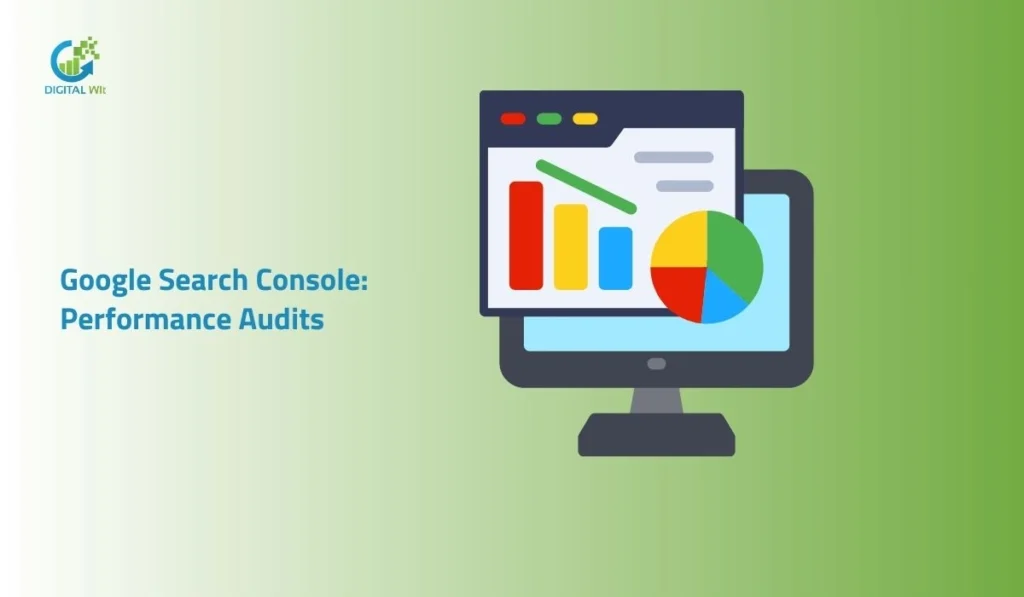
Google Search Console is a free tool from Google that helps you monitor your website’s performance in search results. It shows which pages are ranking, how visitors find your site, and any technical issues that may affect search visibility. Using GSC regularly can help you improve your SEO strategy and increase traffic.
Initial Setup and Verification
To start, you need to add your website to Google Search Console. You can choose between the domain method or URL prefix method. The domain method covers all subdomains and protocols, while the URL prefix is easier for beginners. After adding your site, verify it using recommended methods like uploading an HTML file or adding a DNS record. Connecting GSC with Google Analytics 4 gives you a complete view of your organic traffic and visitor behavior.
Monitoring Search Performance & Discovery
The Performance report in GSC shows clicks, impressions, average position, and CTR for your pages. You can see which keywords are driving traffic and which queries have low clicks. This helps identify opportunities to improve your meta titles, descriptions, or content to attract more visitors.
Technical Health and Indexing
Submit your sitemap in GSC to ensure Google crawls all your pages efficiently. Use the URL Inspection tool to check individual pages for indexing errors. You can also monitor Core Web Vitals, mobile usability, and security issues to keep your site healthy and user-friendly.
Strategic Google Tools: Analytics, Trends, and Free Tools for Beginners
Using the right tools can make keyword research and SEO much easier. Google provides several free tools that help you understand your website, track performance, and discover new keyword opportunities. Beginners and small business owners can start with these tools to save time and make data-driven decisions. These tools are simple to use, provide actionable insights, and help improve organic traffic without spending extra money.
Google Analytics for SEO: Tracking & Insights
Google Analytics 4 (GA4) helps you track your website’s organic traffic. You can see how many users visit your site, which pages they engage with, and which actions they take. By connecting GA4 with Google Search Console in Looker Studio, you can create dashboards to monitor clicks, impressions, and conversion events. It also helps to check which landing pages rank high but have low engagement. This way, you can identify pages that need better content or optimization to improve user experience and traffic.
Using Google Trends for Keyword Ideas
Google Trends shows which keywords are popular over time and in different regions. You can track seasonal patterns and find emerging topics before they get competitive. Comparing keywords helps you understand which terms are more valuable for your target audience. This tool is very useful to plan content that matches what people are searching for right now.
Best Free SEO Tools for Beginners (Other Essentials)
AnswerThePublic and AlsoAsked are helpful tools to find question-based keywords. They show what users are asking and which topics are trending. Screaming Frog (free version) allows you to check technical issues like broken links, missing tags, and crawl errors. These tools are easy to use and give beginners clear data to improve their SEO strategy without spending money.
Advanced Keyword Strategy: Workflow, Clustering, and Entity-Based SEO

Advanced keyword strategy is essential to improve website ranking and drive the right traffic in 2026. It helps you focus on user intent, organize keywords properly, and cover topics in depth. Following a clear workflow ensures your content matches what people search for. Combining keyword clustering with entity-based SEO makes your content more relevant and authoritative in search results.
Step-by-Step Keyword Research Workflow for 2026
Start by defining the search intent of your target audience. Understand what users want to learn, buy, or explore. Then, expand your keyword list using tools like Google Keyword Planner, Ahrefs, or Semrush. Next, group related keywords into clusters to organize your content around topics. Finally, prioritize keywords based on difficulty, search volume, and user intent. This helps you focus on terms that can bring better traffic and conversions.
Focusing on Semantic Depth & Entities
Instead of targeting single keywords, structure your content around main entities like products, services, or topics. Integrate related terms and LSI keywords to cover the topic fully. This approach builds topical authority and improves your chances of ranking higher in search results. Content that considers semantic relationships is more helpful for users and search engines.
Optimizing for Zero-Click & Multimodal Search
Target question-based queries to appear in featured snippets and People Also Ask boxes. Format answers clearly with short paragraphs, tables, or lists. Also, optimize for voice and video searches by using natural language and descriptive titles. This strategy ensures your content performs well across different search formats.
Technical Implementation & Content Optimization
Proper technical implementation and content optimization are essential for improving website rankings. Using the right tools helps you manage SEO efficiently and create content that performs well on search engines. In 2026, focusing on both technical health and content relevance is more important than ever.
Specialized AI Content Optimization
Surfer SEO and Clearscope help you optimize content using semantic analysis and NLP. These tools suggest relevant keywords, measure content scores, and help you cover topics thoroughly. Frase.io allows you to generate content briefs and identify gaps in your topic coverage. Using these tools ensures your articles meet search intent and cover essential subtopics.
Rank Math SEO Plugin: Beginner Tutorial
Rank Math is a simple plugin for managing on-page SEO in WordPress. You can set up schema, canonical tags, and redirects easily. It also helps optimize meta titles, descriptions, and improves content readability. Following these steps ensures your pages are ready for search engines and users alike.
Technical Maintenance and Audits
Regular audits keep your website healthy. Screaming Frog can crawl your site to find broken links, missing tags, or other issues. BuzzStream helps with link building and outreach, while BrightLocal is useful for managing local SEO. These tools help maintain performance and improve visibility over time.
Frequently Asked Questions (FAQs)
H3: What is the most accurate keyword tool?
Provide a clear explanation of which tools are most reliable in terms of search volume accuracy, keyword difficulty, and real-world performance. Mention tools like Ahrefs, Semrush, and Google Keyword Planner naturally.
H3: How many tools do I really need?
Explain that the number of tools depends on the user’s needs: beginners may use 1–2 free tools, while agencies may require multiple all-in-one platforms plus specialized tools.
H3: Can free tools compete with paid ones?
Discuss pros and cons of free vs paid tools. Mention free tools like Google Keyword Planner, Google Search Console, Google Trends, Keywords Everywhere. Emphasize that free tools are useful for beginners and small websites.
H3: What is the best free keyword research tool for SEO?
Highlight top free tools with practical benefits. Include Google Keyword Planner, Google Search Console, Google Trends, AnswerThePublic, and explain what each is best for.
H3: What are the best SEO Keyword Research tools available online?
List the best tools covering both free and paid options. Include Ahrefs, Semrush, Moz Keyword Explorer, Ubersuggest, KWFinder, Mangools. Briefly explain their strengths.
H3: What is the best keyword research tool for Amazon SEO?
Mention specialized tools for e-commerce and marketplace SEO, like Helium 10, Jungle Scout, Ahrefs’ Amazon feature, and explain how they help find high-converting keywords for Amazon.
H3: Which are the best SEO tools for keyword research today?
Give an updated 2026 perspective, including both traditional SEO tools and newer options that track trends and search intent. Include Semrush, Ahrefs, Surfer SEO, Ubersuggest naturally.
H3: What is the best keyword research tool?
Provide a summary answer based on different use cases: beginners, bloggers, agencies, or enterprise SEO teams. Mention that the “best” tool depends on budget, goals, and depth of data required.
Conclusion
As SEO changes in 2026, success is no longer about just using the right keywords. You need to focus on building authority by covering topics fully. This means creating content that answers user questions and covers all related aspects of a subject.
Using the right tools is important. Platforms like Digital Wit provide insights that track AI visibility and GEO, helping you see how your content performs in search results. By following these tips, you can improve your website’s ranking and stay ahead of competitors and get cited in AI results.